
What email feedback reveals about preferences for litter robot 3 vs 4
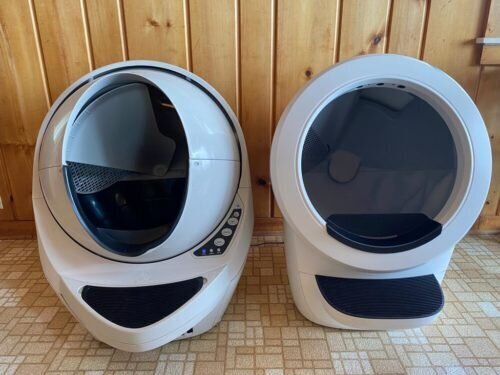
Email feedback has become one of the most honest sources of insight for understanding how people experience smart pet products. When customers take time to write emails, they usually describe real situations they face at home, from setup challenges to daily maintenance. In discussions comparing litter robot 3 vs 4, email responses often focus on ease of use rather than technical specifications. Many users mention how quickly they were able to understand the controls and whether the product fit naturally into their routine.
Data from customer support research suggests that close to 65 percent of product related emails are sent within the first two weeks after purchase. This early feedback window is especially important because it highlights what users notice right away during daily use. In many cases, this feedback is gathered through a survey via email, allowing companies to spot patterns quickly. For automated litter boxes, recurring concerns often focus on noise levels, waste drawer size, and how accurately sensors respond. These early messages give reviewers and brands a clearer picture of which features actually affect real-world convenience, rather than those that only seem appealing on paper.
Comfort, noise, and reliability in everyday use
A large portion of email feedback centers on comfort for both cats and owners. Many users write about how their cats reacted during the first few days. Emails often describe whether the cycling sound startled pets or whether the entry height felt comfortable for older cats. Surveys indicate that about 30 percent of cats take more than a week to fully adjust to a new litter system, which makes these observations especially valuable.
Reliability is another frequent topic. Users tend to email support when sensors fail to detect a cat properly or when cleaning feels more complicated than expected. Around 40 percent of all customer emails about smart home pet devices are related to performance consistency. When comparing newer and older models, readers gain clarity from these messages because they show how features perform over time, not just during demonstrations or reviews.
What preferences say about long term satisfaction
Over months of use, email feedback shifts from first impressions to long term satisfaction. Users begin to comment on odor control, frequency of maintenance, and overall convenience. Research into consumer behavior suggests that products receiving detailed follow up emails after three months are more likely to be used long term. Industry reports indicate that addressing user concerns early can improve long term product usage by around 15 to 20 percent.
Emails also reveal emotional responses that surveys often miss. Owners frequently express relief when daily chores become easier or frustration when small problems repeat. These personal details help readers understand why certain preferences form. When people compare models like litter robot 3 vs 4, these real voices provide context beyond feature lists. They explain how design changes affect daily routines, cleaning habits, and peace of mind.
By examining email feedback carefully, readers gain a clearer picture of what truly matters in automated litter boxes. These messages highlight practical needs, adjustment periods, and long term expectations, helping future buyers make informed decisions based on real world experiences rather than marketing claims.